The District Council of Robe was proclaimed on 28th October 1869. After rapidly progressing to be an important and busy sea port in the 1850's-60's Robe declined to become a remote and quiet village, still with many of its early buildings standing. It appears that in spite of its decline, Robe has always been popular as a place of beauty and relaxation, but Robe's charm has resulted in its becoming more and more popular and is now a major tourist town and in recent years a popular retirement centre.
"The little township of Robe, founded as an English Village on the shores of Guichen Bay is unique in the southern seas ......."
Robe's distinctive charm - a rare combination of old fashioned town, dense bush, wild ocean and quiet lakes - has long been appreciated.
Robe's coastline was explored by Captain Matthew Flinders and Nicolas Baudin in 1802, and Robe was founded by the South Australian Government as a seaport and village in 1846. The Province of South Australia itself had been first settled only ten years earlier.
It was the first town of any significance to be established in the south eastern portion of the colony. Greytown on Rivoli Bay had been surveyed a few months earlier and was the site of a small settlement but, Robe as the first centre of administration, was the focus of public and commercial life in the region.
Robe was the major shipping service of the South East for the first twenty years of its existence, serving a hinterland that extended as far as Tatiara and the Victorian border. Most of the wool produced in the district left through its harbour and most imports entered in Guichen Bay which was also the site of numerous shipwrecks.
It was the first active port in the South East. During this period Robe became an international port: at a time when most other ports in South Australia exported through Port Adelaide, Robe was trading directly with London. Great prosperity and the erection of many buildings occured between 1857 and 1863 when 17,000 Chinese landed at Robe and walked to the Victorian Goldfields, bringing an estimated 16,000 pounds into the Robe economy.
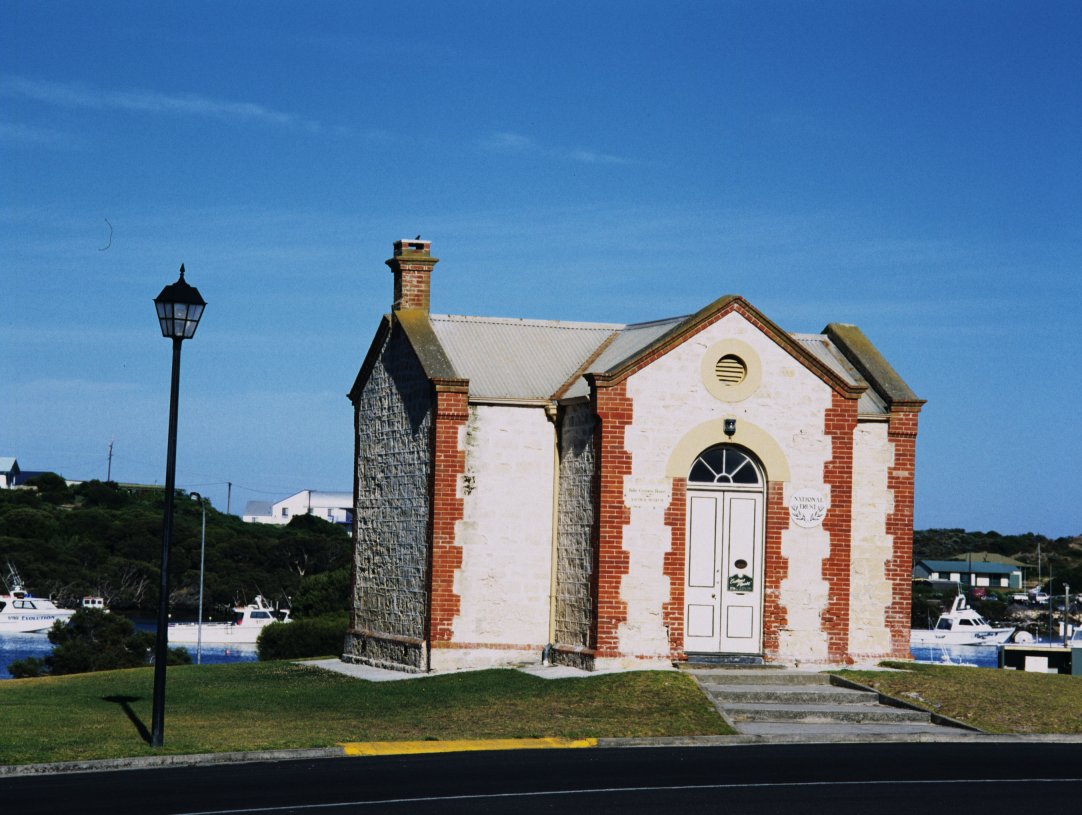
The port declined rapidly after the 1860's, as a result of this decline and a poor economy, a large portion of the old town has been preserved so that 84 historic buildings and sites remain. In terms of the number of historically important buildings recognised by the National Trust, Robe ranks foremost in South Australia. Robe is also listed as one of the State's historical towns in the Heritage Conservation Branch's Master Interpretation Plan.
Share This Profile:
Contact Information
Location
Royal Circus, Robe SA 5276
Show Contact Information
Map Location
Open Positions (0)
No Data Found!
Join Council Direct
Sign up or log in with your Google account to keep browsing.